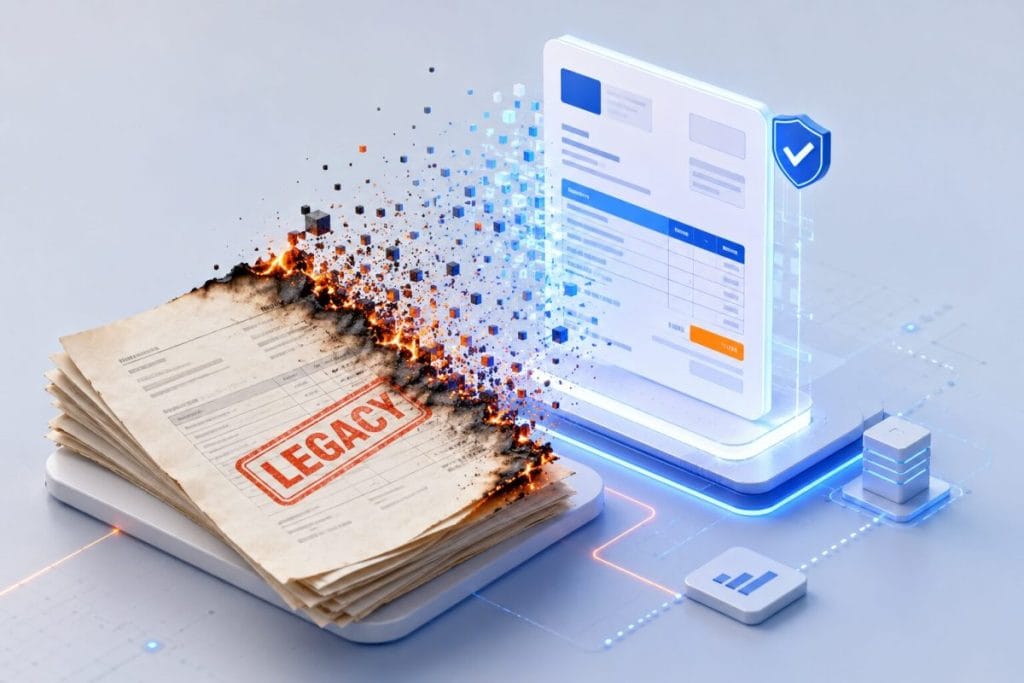

TOOLRELIEF DECISION INTELLIGENCE
Article
AI Tools
- Decision
- Use AI Tools Making You Less Productive? Check the Overlap to evaluate the software or technology question investigated on this page before taking the next material action.
- Evidence Basis
- Documented product information, published evidence, comparative analysis, direct observation, and clearly labeled models where applicable.
- Best Used For
- Reducing uncertainty before taking the next material action.
- Decision Boundary
- This page provides independent decision support rather than a guaranteed outcome. Product capabilities, pricing, third-party terms, and operating conditions can change.
Latest from ToolRelief
Fresh guides, research notes, and practical SaaS waste insights.
 Travel Disruption 2026: Rights, Delays, EES & ETIASFlight disruption, passenger rights, and European entry systems all changed materially around 2026. This benchmark separates...
 Travel Cost Leakage 2026: Fees, FX & Real Trip CostsThe price you first see is not always the price your trip ultimately carries. This report...
 Travel Booking Friction 2026: Why Booking Gets HarderTravel booking friction is rarely caused by one bad website. It emerges when inventory, prices, contract...
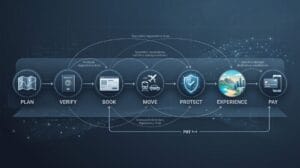 Travel Decision Stack: Plan, Verify, Book & BeyondTravel decisions are not independent. Entry requirements affect booking risk, arrival airports affect ground transport, fare...
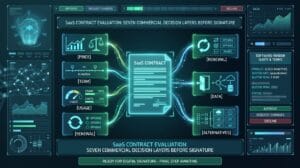 SaaS Contract Negotiation: Pricing & Terms Before SigningA strong SaaS contract is more than a discounted quote. Use this pre-signature framework to negotiate...
 Best Time to Buy Software: Buy Now or Wait?Should you buy software now or wait for a better price? This decision framework weighs current...
Explore ToolRelief
Calculators, audits, templates, playbooks, and decision tools.
 ToolRelief HomeStart from the main ToolRelief hub.
 SaaS Cost Optimization ToolsFree tools for finding and reducing SaaS waste.
 SaaS AuditReview your stack and identify waste signals.
 The SystemThe ToolRelief SaaS waste detection framework.
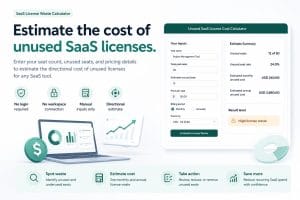 Unused SaaS License Cost CalculatorEstimate wasted spend from unused software seats.
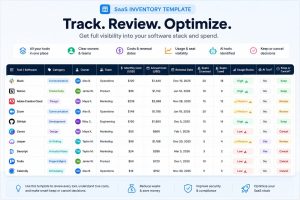 SaaS Inventory TemplateTrack tools, owners, costs, renewals, and usage.
 Business CalculatorsPractical calculators for planning and decisions.
 Business Days CalculatorCount workdays, deadlines, and delivery windows.ToolRelief LiveSee what is new across ToolRelief.
 Research LibrarySaaS waste research, patterns, and cost intelligence.
 Hidden SaaS Waste PlaybookLearn where hidden SaaS waste usually appears.
 Free SaaS Waste ReviewRequest a free review of your SaaS waste signals.