
- Decision
- Identify where SaaS renewal terms, notice windows, ownership gaps, seat commitments, or weak renewal controls can create avoidable software spend and contractual risk.
- Evidence Basis
- Documented renewal mechanisms, contract and billing considerations, comparative analysis, and the decision framework and examples presented on this page.
- Best Used For
- Preparing for SaaS renewals, strengthening renewal governance, and identifying preventable spend before contractual notice deadlines become binding.
- Decision Boundary
- Cancellation rights, renewal windows, pricing clauses, and contractual obligations vary by vendor and agreement. Verify the governing contract and current vendor terms before acting.
The Fine-Print Trap: How B2B SaaS Auto Renewal Traps In 2026 Lock In Budgets
In early 2026, a growing enterprise finance director attempted to cancel a $36,000 annual cloud software subscription that his team had stopped using six months prior. To his astonishment, the vendor rejected the termination request, pointing to a obscure 60-day notice clause buried deep within Section 14.2 of their terms of service. The contract had auto-renewed for another 12 months at an inflated rate—illustrating the dangerous reality of B2B SaaS auto renewal traps 2026.
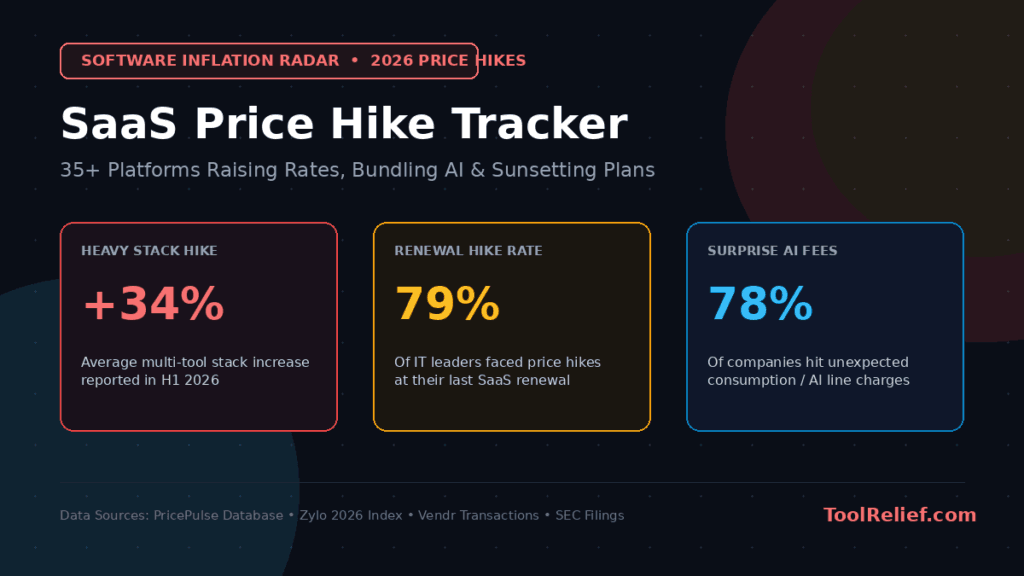
As corporate software vendors fight to maintain net revenue retention amidst global economic tightening, dark commercial patterns have become industry standard. From strict advance cancellation windows to stealth price escalations, software buyers in the US, UK, and Europe are routinely trapped in unwanted annual commitments.
The Hidden Contract Reality
Corporate financial telemetry shows that over 64% of mid-market companies pay for at least one enterprise software contract they intended to cancel, purely due to missed contractual notice windows.
The 3 Structural Mechanisms Behind Modern Contract Lock-In
Understanding B2B SaaS auto renewal traps 2026 requires examining the specific legal and technical dark patterns embedded into modern vendor agreements:
| Lock-In Mechanism | Contractual Mechanics | Financial Consequence |
|---|---|---|
| Asymmetric Cancellation Windows | Requiring 60 to 90 days written notice before anniversary dates | 100% Forced Annual Renewal |
| Stealth Price Escalation Clauses | Automatic 7% to 15% annual price hikes upon renewal | Compounding Software Burn |
| Minimum Seat Floor Minimums | Preventing teams from downsizing unused seats at renewal | Paying for Zombie Seats |
This contract lock-in exacerbates broader operational expense friction, interlocking directly with hybrid workforce software inflation 2026, unmonitored shadow IT remote team security risks 2026, unmanaged corporate travel budget waste 2026, and sudden AI API billing surprise 2026 events.
How Dark Renewal Patterns Impact Corporate Cash Flow
When software vendors automate contract renewals without active buyer consent, IT budgets become rigid. Finance leads lose the agility required to reallocate capital toward higher-performing tools or essential business operations.
To evaluate your current vendor contract risks and calculate your renewal exposure score, run your active tools through our specialized SaaS Renewal Risk Calculator.
Case Study: Reclaiming $62,000 From Vendor Renewal Traps
In mid-2026, a 50-person technology company audited its software inventory 90 days ahead of major contract anniversary dates.
| Contract Audit Action | Pre-Audit Exposure | Post-Audit Outcome |
|---|---|---|
| 60-Day Cancellation Window Flags | 4 Pending Auto-Renewals | All 4 Terminated On Time |
| Unused License Downsizing | 120 Unassigned Seats | Reclaimed $24,000 Capital |
| Total Recovered Annual Capital | $0 Baseline | $62,000 Net Savings |
By establishing strict calendar alerts and enforcing contract reviews 90 days before renewal dates, the organization successfully eliminated $62,000 in unwanted software expenses.
4-Step Action Plan to Defeat B2B Renewal Traps in 2026
- Maintain a Centralized Contract Registry: Document exact cancellation notice windows (e.g., 30, 60, or 90 days) for every paid subscription in your organization.
- Issue Conditional Cancellation Notices Early: Submit non-renewal notices 90 days in advance by default. You can always renegotiate a new agreement if you decide to stay.
- Use Virtual Cards with Hard Spend Limits: Pay for recurring SaaS tools using virtual corporate cards configured to expire on contract end dates to prevent unauthorized auto-debits.
- Audit Your Full Stack Regularly: Utilize our SaaS Cost Optimization Tools suite to identify overlapping software and discover pre-vetted alternatives inside the Verified Partner Offers Directory.
Conclusion: Regaining Control Over Software Procurement
Defeating B2B SaaS auto renewal traps 2026 requires constant vigilance and proactive legal oversight. By tracking renewal windows, auditing seat utilization, and enforcing virtual card limits, corporate finance leads can break free from unfair vendor lock-ins and ensure every dollar spent drives real enterprise value.