
- Decision
- Identify where booking behavior, policy friction, supplier choices, fees, and trip operations can create avoidable corporate travel spend.
- Evidence Basis
- Documented travel-cost factors, operational decision analysis, provider information where applicable, and the assumptions and scenarios presented on this page.
- Best Used For
- Reviewing corporate travel leakage before changing booking policy, supplier strategy, traveler controls, or mobility processes.
- Decision Boundary
- Travel prices, availability, schedules, fees, supplier terms, and traveler requirements can change frequently. Verify time-sensitive details before acting.
Corporate Travel Budget Waste 2026: Hidden Friction in Remote Operations
In 2026, as distributed organizations bring international teams together for offsites, client summits, and regional meetings, financial executives face a growing profit drain: corporate travel budget waste 2026.
While remote organizations eliminate physical office footprint, unmanaged travel logistics, opaque foreign exchange (FX) markup fees, and inefficient booking platforms create severe financial leakage. This travel operational friction directly interconnects with hybrid workforce software inflation 2026 and unmonitored shadow IT remote team security risks 2026, creating compounding enterprise burn.
The 2026 Remote Travel Spend Reality: Where Capital Leaks
Data from global travel spend audits reveals that distributed companies lose an average of $1,850 per traveling employee annually through unoptimized booking paths, dynamic price surging, and legacy mobile roaming fees.
| Travel Overhead Factor | Financial Waste Metric |
|---|---|
| FX Conversion & Card Fees | 3.5% to 5.2% stealth markup per foreign booking transaction |
| Unoptimized Flight & Stay Paths | 18% premium paid due to late booking and rigid vendor contracts |
| Carrier Data Roaming Fees | Up to $12 per day per employee vs. local digital eSIM alternatives |
To analyze your team’s combined software and travel leakage exposure, calculate your metrics using our interactive SaaS & Travel Budget Waste Calculator.
Primary Drivers of Remote Travel Budget Waste in 2026
Corporate travel managers and finance leaders must eliminate three core drivers accelerating remote operational expenditure:
- Dynamic Markup & Uncentralized Flight Bookings: When remote employees book flights independently without centralized price comparison tools, airlines apply dynamic pricing algorithms that surge fares by up to 24%. Teams can optimize routes and fares using our Flight Search & Comparison Tools hub.
- Foreign Transaction & Currency Conversion Penalty: Booking international hotels or ground transport with standard corporate credit cards incurs double currency conversion fees. Optimize international payment methods via our Travel Payment, Money Transfer & Card Tools resource.
- Obsolete International Cellular Roaming Plans: Relying on traditional mobile carrier roaming passes for international summits leads to massive invoice overruns. Distributed teams reduce connectivity costs by 70% by transitioning to prepaid eSIMs via our Travel eSIM Plans & Roaming Alternatives directory.
Case Study: Optimizing Distributed Offsite & Travel Operations
In early 2026, a 60-person remote software company evaluated its annual travel expenditure across quarterly executive meetups and team offsites.
| Travel Expense Category | Pre-Optimization Spend | Post-Optimization Spend |
|---|---|---|
| International Flight Bookings | $84,000 | $66,500 (Direct Route Optimization) |
| Hotel & Lodging Accommodation | $52,000 | $42,100 (Group Rate Realignment) |
| Mobile Roaming & FX Card Markups | $14,800 | $3,200 (eSIMs & Multi-Currency Cards) |
| Total Annual Travel Expenditure | $150,800 | $111,800 ($39,000 Net Savings) |
By enforcing structured booking routes and deploying virtual multi-currency cards, the company eliminated $39,000 in travel friction while improving travel flexibility for all remote employees.
Explore flexible group rates and verified stay options inside our Hotel Booking & Accommodation Comparison center.
Constructing an Efficient Travel & Logistics Infrastructure
To eliminate budget waste without slowing down distributed operations, companies must integrate real-time travel intelligence into their operational workflow.
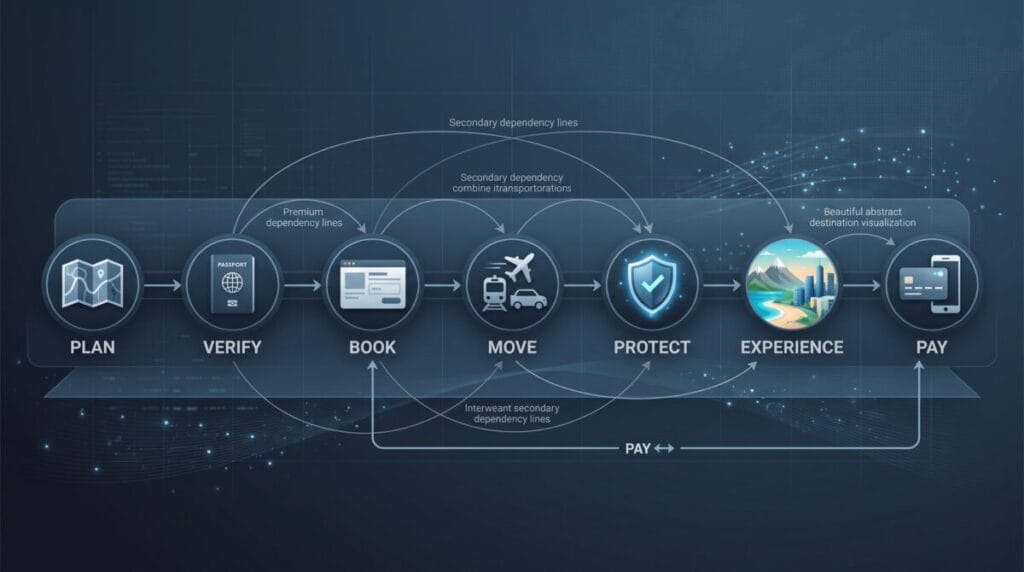
Remote managers can access our full suite of 16 specialized travel portals inside the unified Smart Travel Marketplace Hub to compare flights, stays, car rentals, and insurance coverage in one controlled environment.
4-Step Action Plan to Defeat Travel Budget Waste in 2026
- Standardize Booking Protocols: Mandate central booking comparison routes 30 days prior to major corporate summits.
- Deploy Multi-Currency Virtual Corporate Cards: Eliminate FX markups by settling overseas invoices in local currencies.
- Provision Team eSIMs Automatically: Issue digital eSIM profiles to all traveling staff prior to departure.
- Audit Group Accommodation Policies: Utilize verified partner channels for team stays to ensure flexible cancellation terms.
Conclusion: Achieving Total Control Over Operational Travel Spend
Addressing corporate travel budget waste 2026 allows distributed companies to maintain high team mobility while protecting financial capital. By leveraging real-time travel intelligence, eliminating hidden currency fees, and deploying modern connectivity tools, organizations achieve seamless global operations and maximum spend efficiency.