TOOLRELIEF DECISION INTELLIGENCE
- Decision
- Use Lifetime Deal vs Subscription Software: Break-Even Cost, Update Rights, and Product Risk to compare the documented alternatives and understand the costs, constraints, and trade-offs that materially affect the choice.
- Evidence Basis
- Comparative analysis of the capabilities, costs, constraints, limitations, and trade-offs documented for the options evaluated on this page.
- Best Used For
- Shortlisting alternatives and identifying the trade-offs that materially affect the final choice.
- Decision Boundary
- The better option depends on the requirements and constraints of the actual use case. Product capabilities, pricing, contracts, implementation conditions, and third-party terms can change.
Last verified: 2026-08-01
lifetime deal vs subscription software: Lifetime deal vs subscription software is a risk-adjusted cost decision. Break-even time matters, but so do update rights, cloud capacity, support continuity, product survival, data portability, and the cost of replacing the tool if the commercial promise changes.
A one-time software payment can look cheaper than recurring billing, but lifetime economics depend on break-even time, updates, service capacity, support, data portability, and product continuity. This framework turns the marketing label into a measurable purchase decision.
lifetime deal vs subscription software — the decision rule
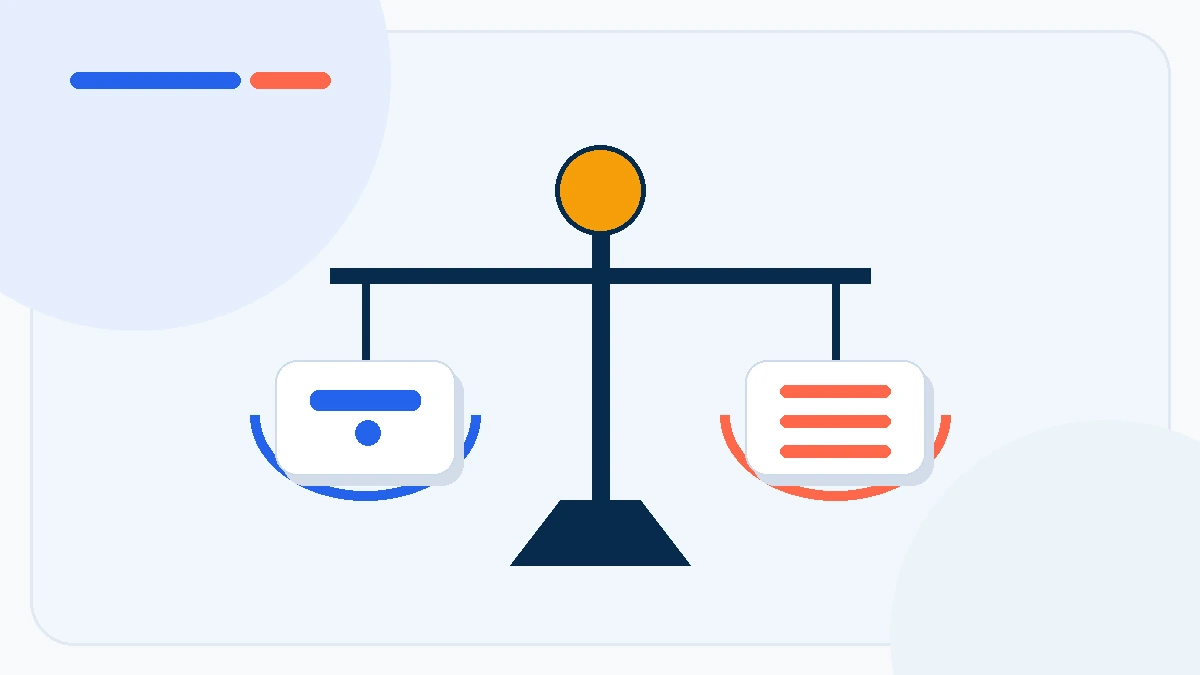
A lifetime deal wins only when its one-time price reaches break-even before product, support, integration, and update risk becomes material. A subscription wins when continuous updates, service capacity, compliance, collaboration, or vendor support are part of the value. Treat “lifetime” as the lifetime of the licensed product or deal terms—not a promise that the company, feature set, or cloud service will exist forever.
Start with break-even cost, not deal excitement
The basic calculation is simple:
Break-even months = lifetime price ÷ comparable monthly subscription price.
But the comparable subscription must represent the same seats, usage, storage, integrations, commercial rights, and update level. If the lifetime license is limited to one user while the subscription includes five, the arithmetic is invalid. Annual subscriptions should be converted to a monthly equivalent, then adjusted for realistic renewal increases and any migration cost.
| Example | Lifetime price | Comparable subscription | Simple break-even | Interpretation |
|---|---|---|---|---|
| Local desktop utility | $99 | $8/month | 12.4 months | Potentially attractive if updates and OS compatibility are credible |
| Cloud automation tool | $399 | $29/month | 13.8 months | Needs capacity, API, and service-continuity review |
| Team workspace | $699 | $120/year | 69.9 months | Long payback; subscription may preserve flexibility |
Price is only the first cost layer
Add implementation time, data migration, workflow redesign, training, integration maintenance, and exit cost. A lifetime purchase that saves $200 but consumes 30 hours of migration is not automatically economical. Conversely, a stable local tool with minimal dependency can remain useful long after the break-even point.
For a realistic model, estimate a three-year total cost under both paths. Include expected seat growth, usage overages, paid add-ons, upgrade fees, and the cost of replacing the product if it stalls.
Understand update rights
“Lifetime updates” and “lifetime access” are different promises. Some deals include all future versions; others include updates only within the purchased edition. Desktop tools may require paid major-version upgrades. Cloud products can change plan limits, integrations, fair-use rules, or feature packaging while the account remains active.
Before buying, locate the exact deal terms and answer: Are future features included? Are AI credits or third-party costs excluded? Can the vendor introduce a higher tier? Does the license survive a product rename or acquisition?
Support and product-survival risk
A subscription creates recurring vendor revenue; a lifetime deal collects cash early. That does not make either model automatically safe, but the incentives differ. A lifetime customer may become expensive to support if infrastructure and model costs rise. Examine release history, support channels, public roadmap discipline, data export, and whether the product depends on paid APIs.
- Lower-risk lifetime profile: mature local software, clear license file, minimal hosted dependency, exportable data, and an established update record.
- Higher-risk lifetime profile: AI-heavy service, unlimited promises, expensive storage or processing, no export, small team, and vague fair-use language.
License transfer, account control, and commercial use
Verify whether the license belongs to an individual, company, workspace, email address, device, or domain. Check transfer rules before using a personal purchase for a client or business. A nontransferable account can become operational debt when an employee leaves. Commercial-use rights should be explicit when the output is sold to clients.
Refund windows are an evaluation period
A refund guarantee is not a substitute for testing. During the eligible period, run the real workflow: import data, connect required services, test export, invite a second user if applicable, contact support, and simulate cancellation or migration. Marketplace refund eligibility can vary by listing, so read the product’s deal terms rather than relying on a sitewide assumption.
Best-fit cases
| Choose a lifetime deal when… | Choose a subscription when… |
|---|---|
| Break-even occurs within a conservative use period | Usage, seats, or requirements may change quickly |
| The product works locally or has low service cost | Continuous hosted capacity is central to the product |
| Data export and replacement paths are clear | Security, compliance, and current support are essential |
| License scope matches your actual business use | You need predictable upgrades, SLAs, or procurement controls |
| You can test the complete workflow during the refund window | The lifetime terms exclude critical features or future tiers |
Lifetime-deal diligence checklist
- Normalize seats, devices, credits, storage, and commercial rights.
- Calculate simple break-even and three-year total cost.
- Confirm what “lifetime” refers to in the written terms.
- Check future update, major-version, and add-on treatment.
- Test export, backup, account transfer, and offboarding.
- Review the vendor’s release history and support responsiveness.
- Use the refund period to run a production-like workflow.
- Reject the deal if the savings require optimistic assumptions about survival or unlimited usage.
Nine diligence checks before treating lifetime access as cheaper
The break-even calculation is only valid when both offers provide equivalent seats, usage limits, integrations, storage, commercial rights, and update access. If the lifetime tier is materially narrower, the buyer is comparing different products and the apparent payback period is unreliable.
A durable decision also prices operational dependency. Cloud products carry hosting, API, model, storage, and support costs that continue after the one-time payment. A lifetime deal can remain attractive, but the buyer should verify fair-use limits, future paid upgrades, service exclusions, and the provider’s right to change capacity.
For lifetime deal vs subscription software, model an exit scenario before purchasing. Estimate migration time, export quality, workflow disruption, and the cost of a replacement subscription. The preferred route is the one with an acceptable three-year total cost and a survivable failure mode, not simply the lowest amount charged today.
Decision checklist
- Match seats, limits, and commercial rights.
- Calculate realistic break-even months.
- Verify update and upgrade eligibility.
- Review cloud-capacity restrictions.
- Test export and data portability.
- Measure implementation and migration cost.
- Confirm support scope and response route.
- Use the refund window as evaluation time.
- Price a credible replacement scenario.
lifetime deal vs subscription software should be approved only when the evidence is complete and the remaining commercial risk is explicit.
Final decision: lifetime deal vs subscription software
The lifetime deal vs subscription software choice is strongest when the break-even period is short, the license is clear, data is portable, and the product can remain useful without expensive hosted capacity. Choose recurring billing when continuous service, security, compliance, collaboration, or support is part of the outcome. Reject either path when the exit cost is unknown.
Apply the model to a real software purchase
The IObit buying guide applies license, renewal, refund, and product-fit controls to a current software family rather than treating the initial discount as the decision.
Frequently asked questions
How do I calculate lifetime deal break-even?
Divide the one-time price by the monthly cost of a genuinely comparable subscription. Then add migration, add-ons, upgrades, and replacement risk to build a more realistic total-cost view.
Does lifetime access include every future feature?
Not necessarily. Lifetime access can mean continued use of the purchased plan while future modules, major versions, AI credits, storage, or premium tiers remain excluded.
Are lifetime deals good for AI software?
They require extra scrutiny because model, compute, and storage costs continue after the one-time sale. Check credit limits, fair-use terms, model access, and whether expensive features can move to another tier.
When is a subscription safer?
A subscription is often safer when continuous service capacity, compliance, integrations, security updates, multi-user administration, or responsive support are operational requirements.
Sources and verification
Policies and product details can change. This draft was checked against the following primary sources on 2026-08-01:
lifetime deal vs subscription software: final evidence review
Lifetime deal vs subscription software requires a risk-adjusted break-even model rather than a first-payment comparison. The decision should include update rights, hosted-service limits, support continuity, data portability, cancellation controls, and the replacement cost if the vendor or plan changes.
A verified decision should retain the booking, checkout, policy, or support evidence that applies to the exact option selected—not a nearby product, route, plan, or promotional claim.
Official verification source: FTC Negative Option Rule resources.
Last Updated on August 1, 2026